
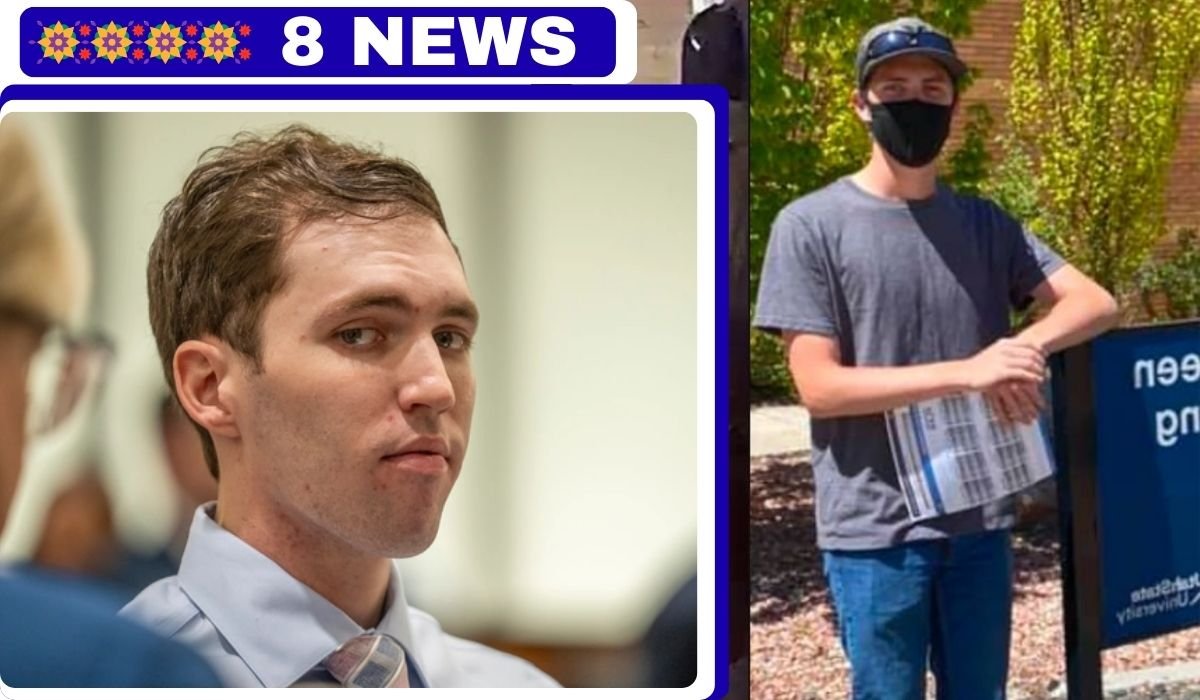
Introduction: Tyler Robinson’s Court Hearing Request
Tyler Robinson, a 22-year-old facing serious criminal charges, has recently drawn national attention due to his request for a private court hearing. This motion is not just another procedural step in a high-profile case; it addresses a fundamental concern about fair trial rights and media influence. Robinson is requesting that portions of his upcoming court hearings be closed to the public to prevent cameras and microphones from recording sensitive discussions. His legal team argues that the presence of the media may interfere with the integrity of the trial and his right to due process, raising important questions about privacy, justice, and public access in high-profile legal cases.
Quick Bio Information
Tyler Robinson, 22, Capital Murder Defendant, From Utah, Accused Of Killing Charlie Kirk, Crime Occurred September 10, 2025, On Utah Valley University Campus, Facing Potential Death Penalty, Motion Filed To Limit Media Access, Seeks Private Court Hearing April 17, 2026, Denied Previous Motion To Disqualify County Attorney’s Office, Concerned About Prejudicial Media Coverage, Defense Argues Fair Trial Rights At Risk, Cites Privacy Violations, Witness Safety Concerns, High-Profile Case In Utah, Media Has Extensive Coverage, Legal Experts Involved, Court Overseen By Judge Tony Graf, Multiple Upcoming Hearings, Case Involves Complex Legal Maneuvers, Public Interest Very High.
Who Is Tyler Robinson?
Tyler Robinson is a young man currently charged with capital murder in Utah. The case revolves around the death of Charlie Kirk, who was killed on September 10, 2025, at Utah Valley University. Robinson has quickly become a central figure in legal and media discussions due to the nature of the crime, the high-profile location, and the involvement of multiple witnesses and bystanders. His case has attracted widespread media coverage, making it one of the most talked-about criminal cases in the state. Understanding who Tyler Robinson is and his background provides essential context for why his legal team is taking extraordinary steps to protect his rights during the trial.
Overview Of The Crime And Case
On September 10, 2025, Charlie Kirk, 31, was fatally shot on the campus of Utah Valley University. Tyler Robinson is accused of committing the murder, which has led to a capital murder charge. Capital murder cases carry the possibility of the death penalty, which underscores the stakes involved in Robinson’s trial. The case has drawn attention not only because of the severity of the crime but also because of the high number of witnesses present during the incident, which complicates the legal proceedings. Media outlets have extensively reported on the crime, often citing court filings and statements from government officials, which Robinson’s defense team believes could be prejudicial.
Why Robinson Wants A Private Hearing
Robinson and his attorneys have requested that portions of the April 17, 2026 hearing be closed to the public and media. The central reason is to present evidence without risk of it being broadcast or reported widely, which could affect public opinion and the impartiality of potential jurors. The defense team argues that discussing sensitive information in a public forum could inadvertently allow the media to repeat prejudicial content. By holding a private hearing, Robinson aims to protect both his personal privacy and the integrity of his trial, while still complying with court procedures.
Concerns About Media Coverage
A significant part of Robinson’s motion focuses on the role of media in shaping public perception. The defense claims that coverage so far has been misleading and prejudicial, citing instances where media representatives have questioned government officials using publicly available filings. Robinson’s team argues that the repetition of such coverage could influence jurors, despite efforts to select an impartial jury pool. By presenting evidence in a closed setting, the defense seeks to ensure that sensitive information does not become part of public narratives that could undermine the fairness of the trial.
The Role Of Cameras And Microphones In Court
Robinson’s motion also emphasizes the potential risks posed by cameras and microphones in the courtroom. While media access is generally considered an important part of public transparency, the defense argues that recording sensitive proceedings could violate privacy rights and endanger witnesses. Cameras and microphones could inadvertently capture information that might be taken out of context or spread widely, potentially prejudicing future court proceedings. This request raises important questions about balancing the public’s right to information with the defendant’s right to a fair and impartial trial.
Legal Basis For Robinson’s Request
The defense cites a “realistic likelihood of prejudice” to argue that media presence could compromise the fairness of the trial and penalty phase. Robinson’s attorneys point to both state and federal protections for fair trial rights, emphasizing that the court must ensure that potential jurors are not influenced by media coverage or improperly disclosed information. By closing portions of the hearing, the defense intends to present sensitive evidence and witness testimony without risking further public exposure or compromising the integrity of the case.
Previous Motions And Court Decisions
This motion is part of a series of legal actions taken by Robinson’s defense team. Previously, the defense filed a motion to disqualify the Utah County Attorney’s Office from prosecuting the case due to a potential conflict of interest involving a deputy’s family member. That motion was denied by Judge Tony Graf. These prior motions highlight the ongoing legal complexities surrounding Robinson’s case and demonstrate the defense’s commitment to ensuring all procedural safeguards are carefully considered, particularly in a high-stakes, high-profile case.
Upcoming Hearing Dates And What To Expect
The court has scheduled two critical dates related to Robinson’s motions. On March 13, arguments are expected regarding which motions and filings should remain public and which should be sealed. On April 17, the private hearing will address Robinson’s request to limit media access, including cameras and microphones, while presenting evidence of prejudicial media coverage and privacy violations. These hearings are central to the defense’s strategy of ensuring that the trial proceeds without undue influence from external sources.
Expert Opinions And Legal Context
Legal experts, particularly those specializing in First Amendment and media law, note that Utah has not previously seen a case where pretrial publicity led to a finding of an unfair trial. High-profile cases in the state have historically proceeded without major complications from media coverage. However, Robinson’s defense team argues that the cumulative effect of media attention, combined with alleged government disclosures, presents a unique situation that warrants special consideration. Experts suggest that the court’s decision could have broader implications for how media access is managed in future high-profile cases.
Privacy And Safety Concerns
Another important aspect of Robinson’s motion relates to the safety and privacy of witnesses. The defense argues that publicly discussing sensitive information could put witnesses at risk or violate privacy laws. By holding a portion of the hearing in private, Robinson seeks to prevent the exposure of personal details that could endanger those involved in the trial or discourage key testimony. This concern adds another layer of complexity to the court’s decision-making, balancing public access against the need to protect individuals from harm.
Public And Media Reaction
The case has attracted significant public attention, with widespread media coverage of both the crime and Robinson’s legal maneuvers. This attention has sparked debate over the tension between transparency in the justice system and the defendant’s right to a fair trial. While some argue that media access is critical for accountability, others recognize the defense’s concerns about the potential for prejudicial reporting. The outcome of Robinson’s motion could set important precedents for media coverage in future high-profile cases in Utah.
Conclusion: The Significance Of The Hearing
Tyler Robinson’s request for a private court hearing highlights the delicate balance between public transparency and fair trial rights. By seeking to limit cameras and microphones, Robinson and his legal team aim to protect the integrity of the proceedings, safeguard witness privacy, and prevent prejudicial media influence. The upcoming hearings in March and April will be closely watched, as they could have lasting implications for courtroom access, media coverage, and how high-profile criminal cases are handled in the state.
FAQs About Tyler Robinson
Who Is Tyler Robinson?
Tyler Robinson is a 22-year-old facing capital murder charges for the death of Charlie Kirk at Utah Valley University. He is currently involved in high-profile legal proceedings in Utah.
Why Is Tyler Robinson Requesting A Private Hearing?
Robinson is requesting that portions of his hearing be closed to the public to protect his right to a fair trial, prevent prejudicial media coverage, and safeguard witness privacy.
What Are The Charges Against Tyler Robinson?
He faces capital murder charges, which carry the potential death penalty if he is convicted for killing Charlie Kirk.
When Are The Upcoming Hearings Scheduled? A hearing regarding public and sealed filings is set for March 13, 2026, and the private hearing on media access and cameras is scheduled for April 17, 2026.
What Are The Main Concerns Of The Defense Team?
The defense is concerned about unfair media coverage, potential influence on jurors, privacy violations, and the safety of witnesses involved in the case.
Has Tyler Robinson Filed Other Motions?
Yes, the defense previously filed a motion to disqualify the Utah County Attorney’s Office, which was denied. The team has also filed motions to limit media coverage.
What Legal Arguments Are Being Cited?
Robinson’s legal team cites the “realistic likelihood of prejudice” to fair trial rights and concerns about public disclosure of sensitive evidence.
How Has The Public Reacted To The Case?
The case has received extensive media coverage, sparking debate over transparency versus the defendant’s right to a fair trial, and drawing significant public attention in Utah.
Please Read Also: Cherry Blossom Season: Tips For The Perfect Spring Visit
 Mohammed Saleem