
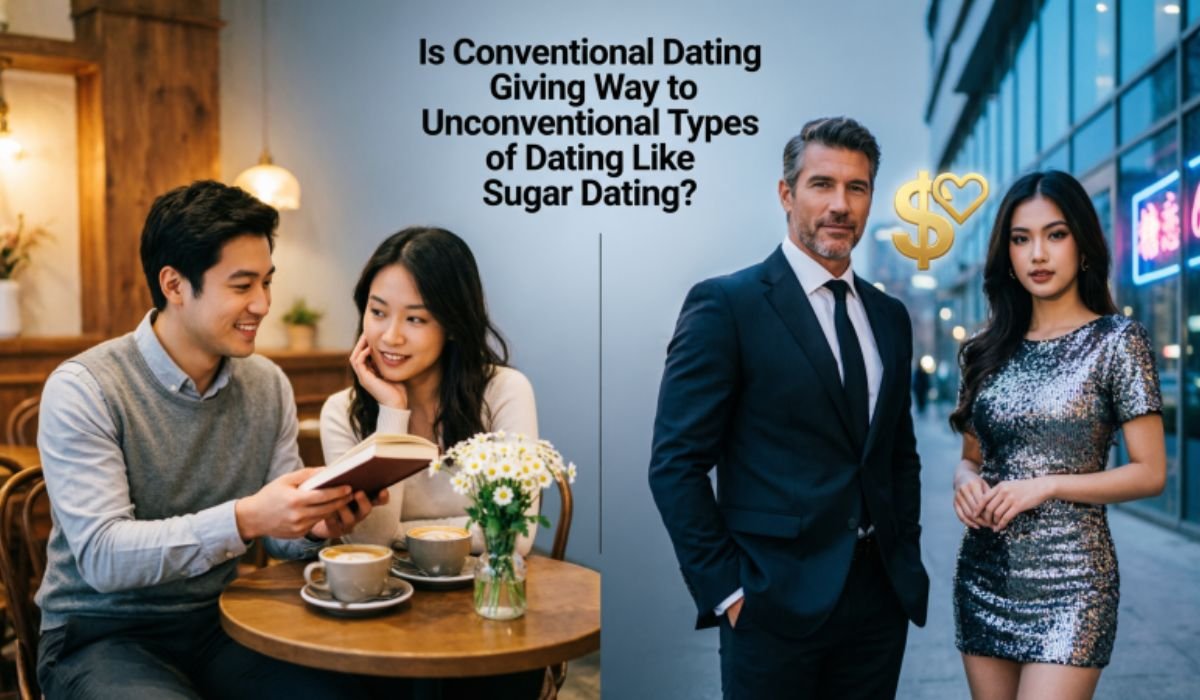
For most of the last century, dating followed a fairly predictable sequence. Two people meet, go on a few outings, test compatibility, and either commit or move on. The steps were understood. The expectations were inherited from the generation before. And for a long time, that worked well enough for enough people that nobody really questioned it. But something has been happening over the past few years that deserves a closer look. Younger adults are walking away from the conventional model at a rate that the platforms themselves can measure in lost users, declining engagement, and a growing preference for arrangements that older generations would not have considered dating at all.
This shift reflects broader unconventional dating trends that prioritize honesty, flexibility, and clearly defined expectations. Sugar dating is one of those arrangements gaining attention. It is not growing simply because it feels rebellious or trendy, but because it offers something specific: transparency about what both people want before anything begins.
The Exhaustion Problem
People are not leaving conventional dating because they stopped wanting connection. They are leaving because the process of finding it has become tedious and repetitive. Swiping through hundreds of profiles, exchanging messages that go nowhere, and showing up to dates where the other person wants something entirely different can drain even the most patient users. The format asks a lot and returns very little for many people.
A Forbes Health survey reported that more than half of Gen Z feels burned out “often or always” while using dating apps, which was the highest rate of any age group. A separate Forbes Health/OnePoll survey of 1,000 U.S. dating app users put emotional exhaustion from online dating at 78%, with nearly 79% of Gen Z and millennial users reporting burnout.
These numbers reveal a larger pattern. When nearly four out of five users on online dating platforms say the experience feels exhausting, the structure of the system itself begins to look like the problem.
Relationships on Your Own Terms

Conventional dating has long carried assumptions about how people should meet, what they should want, and how quickly a relationship should develop. Those assumptions are gradually losing their influence.
Fatigue with online dating apps has pushed many users toward alternatives that offer more control over expectations. A UK Ofcom report recorded a 16% decline in users across major dating platforms, with Tinder alone losing nearly 600,000 users while Bumble and Hinge saw similar declines.
At the same time, niche platforms now account for nearly 30% of the overall online dating market. These platforms range from apps designed around specific interests to a sugar daddy dating site focused on straightforward companionship. Over 40% of Gen Z respondents in recent surveys reported openness to non-traditional relationship structures such as open arrangements or ethical non-monogamy.
Hinge’s D.A.T.E. Report, which surveyed more than 30,000 daters, found that 84% of Gen Z users want new ways to build deeper connections. Research consistently shows that younger generations are more comfortable defining relationships in ways that fit their personal preferences rather than following older social templates.
What Sugar Dating Actually Looks Like
Most people who have never encountered a sugar dating arrangement assume it resembles what they have seen in tabloid stories or reality television. In practice, many of these arrangements are far more straightforward.
Two people agree to meet under terms they have already discussed. Those conversations typically include how often they will see each other, what type of companionship they want, and what boundaries exist. Expectations are addressed early rather than discovered gradually over weeks or months.
That level of transparency is uncommon in conventional dating, where expectations often remain unspoken. One person may be looking for a committed relationship while the other prefers something casual, and the mismatch might not appear until considerable time has passed. Sugar dating attempts to eliminate that ambiguity by making expectations explicit from the start.
Why Younger Adults Are Open to It
More than 40% of Gen Z respondents in recent surveys say they are open to non-traditional relationship structures. That openness includes arrangements such as ethical non-monogamy, open relationships, and sugar dating.
For many younger adults, the appeal comes down to clarity. They grew up observing the frustrations associated with modern dating apps and relationships that struggled because expectations were never clearly discussed. A relationship model that begins with direct communication about intentions can therefore feel practical rather than unusual.
Hinge’s research reinforces this perspective. Their D.A.T.E. Report, based on responses from more than 30,000 users, found that 84% of Gen Z daters want new ways to build deeper and more meaningful connections. They are not rejecting relationships; they are questioning the traditional processes used to form them.
The Platform Numbers Tell the Same Story
The Ofcom report documenting a 16% decline across major dating platforms highlights a measurable shift in user behavior. Tinder lost nearly 600,000 users, while Bumble and Hinge recorded similar decreases.
Meanwhile, niche dating platforms have grown to represent nearly 30% of the broader online dating market. This trend suggests that people are not abandoning online dating entirely. Instead, they are moving toward services that offer more targeted experiences.
Some platforms focus on shared interests or lifestyles, while others — including sugar dating platforms — emphasize clearly defined expectations between users. The shift reflects dissatisfaction with vague interactions rather than rejection of technology itself.
Honesty as a Baseline
The key difference between sugar dating and conventional dating is not necessarily the structure of the relationship. Many traditional relationships involve mentorship, companionship, and shared benefits as well.
The real distinction lies in timing. In conventional dating, expectations often emerge slowly and sometimes painfully. In sugar dating arrangements, those expectations typically appear during the first conversation.
Both people understand what they are agreeing to from the beginning. For many users who feel exhausted by uncertainty, that directness can feel refreshing.
Where This Goes From Here
Conventional dating is unlikely to disappear. Millions of people still meet partners through traditional apps, through friends, through work, and through the same social networks that have always existed.
However, the dominance of a single dating model is fading. People are increasingly choosing relationship structures that reflect what they personally value rather than what previous generations considered standard.
Sugar dating represents one example of that broader evolution in modern dating culture.
Conclusion
The growing interest in unconventional dating models reflects a larger cultural shift in how people think about relationships. Instead of following inherited expectations, many younger adults are prioritizing honesty, clarity, and personal compatibility when forming connections.
Sugar dating is only one part of this evolving landscape. What truly defines the change is the desire for transparent communication from the very beginning of a relationship. As dating platforms continue to evolve and users search for more meaningful interactions, the future of dating will likely include a wider range of relationship structures than ever before.
Rather than replacing conventional dating entirely, unconventional arrangements simply expand the ways people can connect in ways that feel authentic to them.
Frequently Asked Questions
What is sugar dating?
Sugar dating typically refers to a relationship arrangement where expectations, boundaries, and forms of companionship are openly discussed at the beginning. The focus is often on transparency and mutually agreed terms.
Why are younger adults exploring unconventional dating models?
Many younger adults report burnout from traditional dating apps and vague expectations in relationships. Alternative relationship structures sometimes offer clearer communication and more flexible arrangements.
Are dating apps losing popularity?
Some major dating apps have experienced declining user numbers in recent years. At the same time, niche dating platforms designed for specific interests or relationship preferences have grown significantly.
Is conventional dating disappearing?
No. Conventional dating remains common, and many relationships still begin through traditional methods. However, the dating landscape is becoming more diverse as people explore different ways of defining relationships.
 Mohammed Saleem